
We Craft Websites
For Businesses
Like Yours
We make superb budget-friendly websites for businesses who want effective, user-friendly, and beautiful websites.
Which Business Problems Can We Help You With?
Is explaining what you do complicated?
Did your last marketing effort flop?
Is it time to revamp your website?
Are you struggling to get new leads?
Do you need a consistent message?
Does marketing make your brain hurt?
Welcome to our web design company! We are dedicated to helping businesses of all sizes establish a strong online presence by creating stunning and effective websites. Our team of experienced web designers, developers, and project managers work closely with each client to understand their unique needs and create a tailored solution to their web design challenges.
At our company, we understand that many businesses struggle with communicating their products or services effectively to potential customers. That’s why we prioritize clear and concise messaging throughout our web design process. From the homepage to the final call-to-action, we ensure that every aspect of the website reflects the company’s values and mission, making it easy for visitors to understand what the business does and how it can help them.
We also recognize the importance of website performance and functionality. A poorly designed website can be frustrating for users, resulting in high bounce rates and lost potential customers. That’s why we create websites with intuitive navigation and a user-friendly layout, optimizing the user experience for maximum engagement and conversion.
An outdated website design can also negatively impact a company’s online presence. Our team stays up-to-date with the latest web design trends and technologies, ensuring that our clients’ websites are modern, visually appealing, and reflect their brand’s aesthetic.
Search engine rankings can make or break a business’s online success, which is why we prioritize search engine optimization (SEO) throughout our web design process. By incorporating best practices for on-page SEO and creating a website structure that is easily crawled by search engines, we help businesses achieve higher rankings and increase their visibility online.
Mobile responsiveness is also a crucial factor in web design, as more and more users access websites from their smartphones and tablets. Our team designs and develops responsive websites that adapt to any device, ensuring that the user experience is seamless and consistent across all platforms.
While a visually appealing website is important, it’s equally essential to have a website that converts visitors into customers. Our team incorporates user experience (UX) design principles to create websites that not only look great but also drive results. From intuitive forms to compelling calls-to-action, we create a website that guides visitors through the sales funnel and encourages them to take action.
Inconsistent branding or messaging can also create confusion for potential customers. Our team works closely with each client to ensure that their website reflects their brand’s voice and visual identity, creating a cohesive online presence that resonates with their target audience.
Slow loading times can be frustrating for users and negatively impact website performance. Our team optimizes website speed by reducing file sizes, compressing images, and utilizing the latest web technologies to ensure that our clients’ websites load quickly and efficiently.
Finally, managing and updating website content can be a challenge for businesses without a dedicated web team. Our team offers website maintenance and management services to ensure that our clients’ websites are always up-to-date, secure, and functioning at their best.
Our Easy Process – 4 simple steps to get your website completed
1
Complete our questionnaire about your business
2
Our coders, designers & copywriters build your website
3
Your website is launched in 1 week
4
Hop on a Google Meet call to approve your design & learn how to edit your website
Projects
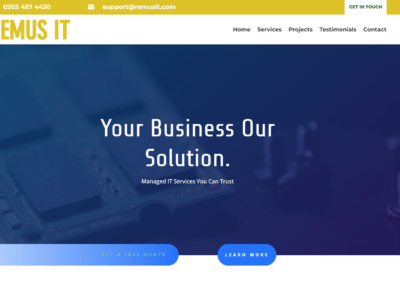
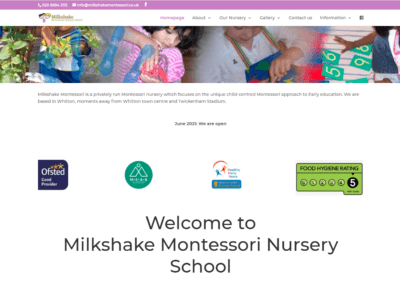
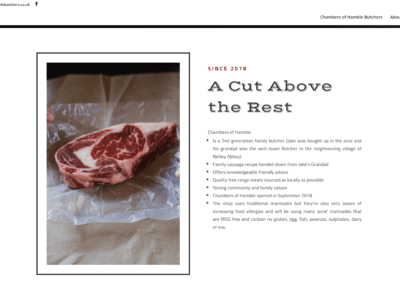
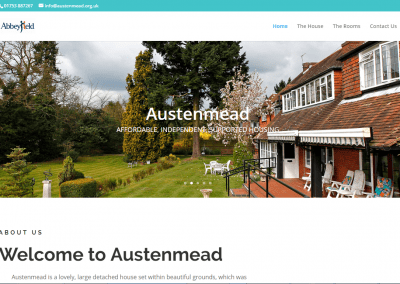
Why Choose Real Code?
There are many reasons you should use our web design services. Here are a few of the many benefits that we provide to our customers.
Expertise
As web design professionals, we have the skills and experience to create high-quality, effective websites that meet your needs and goals. This expertise can help to ensure that your websites are successful and deliver the desired results.
Expertise
As web design professionals, we have the skills and experience to create high-quality, effective websites that meet your needs and goals. This expertise can help to ensure that your websites are successful and deliver the desired results.
Tailored solutions
Every business is unique, and our web design services are tailored to your individual needs and goals. By working closely with you and understanding your specific requirements, we develop custom web design solutions that are perfectly suited to your business.
Tailored solutions
Every business is unique, and our web design services are tailored to your individual needs and goals. By working closely with you and understanding your specific requirements, we develop custom web design solutions that are perfectly suited to your business.
Comprehensive services
Besides web design, we also offer other services, such as search engine optimisation (SEO), social media marketing, database administration, privacy consultancy and content creation. This allows us to provide a complete solution for you.
Comprehensive services
Besides web design, we also offer other services, such as search engine optimisation (SEO), social media marketing, database administration, privacy consultancy and content creation. This allows us to provide a complete solution for you.
Customer Satisfaction
Above all, our goal is to provide exceptional service and support to our clients. By delivering high-quality work and ensuring that you are satisfied with the result.
Customer satisfaction
Above all, our goal is to provide exceptional service and support to our clients. By delivering high-quality work and ensuring that you are satisfied with the result.
Free Website SEO Report
View our latest offers
Overall, there are many reasons you should use our web design services. By offering expertise, tailored solutions, comprehensive services, and a focus on customer satisfaction, we can provide value to our clients and help their businesses succeed online.
The answer is to let us know what you need so we can give you an idea of how we can help.